Book and Magazine Binding: Crafting Permanence for Your Knowledge
We transform loose leaf collections, magazine archives, and manuscripts into durable, tactile books designed to last for generations.
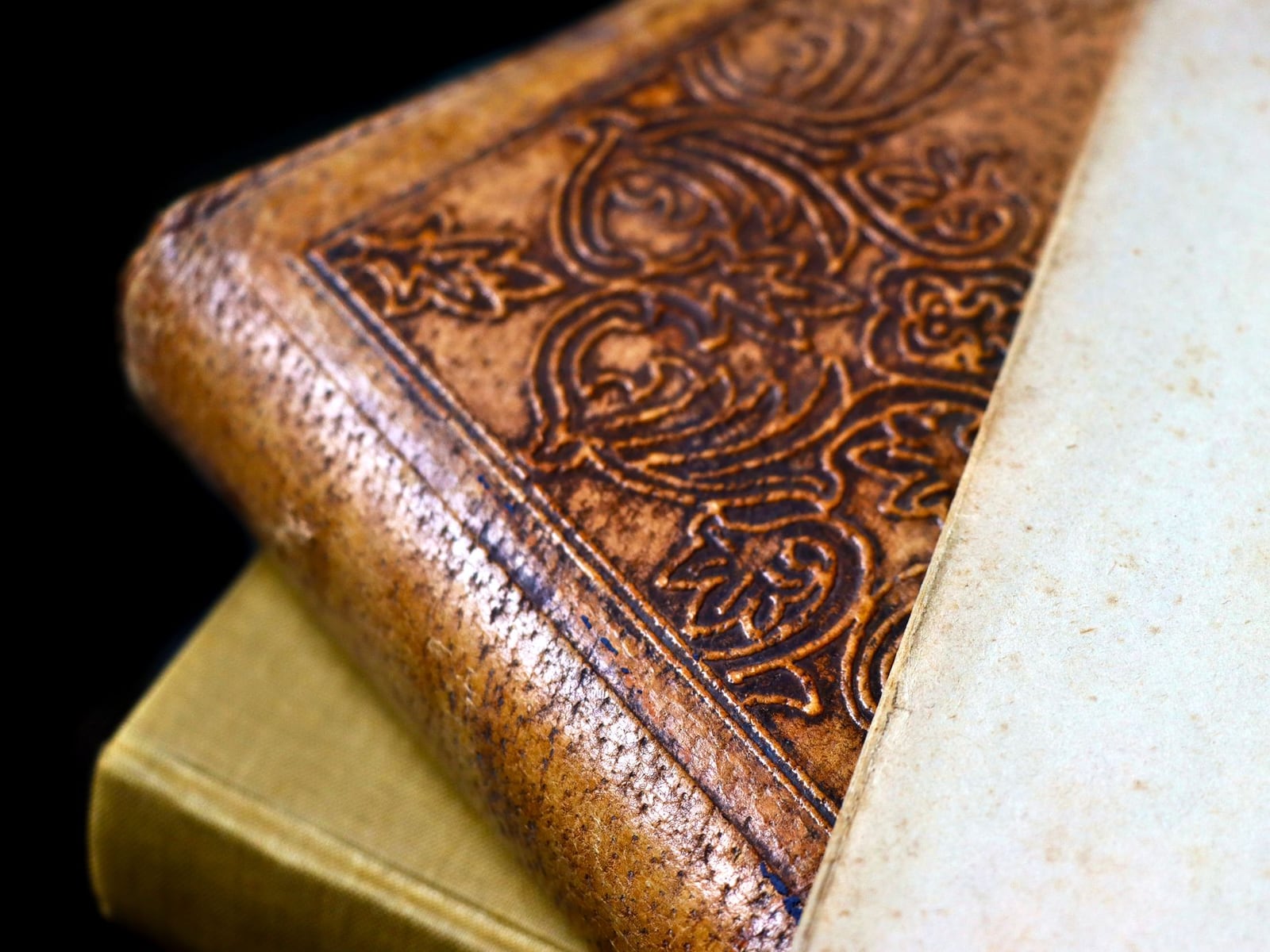
Binding a book is far more than simply fixing pages together. It is the creation of a protective shell that shields the content from mechanical wear, light, and dust. In our Linz workshop, we combine traditional bookbinding techniques with the requirements of modern publications. Whether it is an extensive collection of professional journals, a scientific work, or a private archive, the choice of the right binding determines the longevity and the usability of the object.
A high-quality cover gives the content a new sense of dignity and structure. While industrial bindings often lose stability after a few years, we rely on proven methods such as thread-sewing (Fadenheftung), which allows the book to lay completely flat when opened without pages falling out. We provide comprehensive advice on material selection, from classic linen to elegant goat leather, to achieve a result that meets both your functional needs and aesthetic expectations.
The Bookbinding Process in Four Steps
Preparation and Folding
Loose sheets are precisely collated and folded into signatures. For magazines, we carefully check the margins to ensure a clean alignment of the future book block edge.
Stitching and Sewing
We use classic thread-sewing. The signatures are sewn together with robust binding thread, guaranteeing the highest mechanical resilience and optimal lying quality of the book.
Spine Reinforcement
The book spine is stabilized and reinforced with high-quality fabric. Only then is the book block precisely bonded to the chosen cover material for a perfect fit.
Covering and Finishing
The hardcover is custom-made and applied to the block. Finally, the title or year is embossed on the spine if desired, followed by a final quality control check.
Who is this service for?
Our bookbinding service is aimed at a diverse clientele that values physical archiving and tactile quality. This specifically includes:
- Private Collectors: Individuals who wish to organize their magazine collections or family chronicles in a permanent form.
- Academics and Researchers: For the binding of extensive research papers or manuscripts that require more than a simple plastic comb binding.
- Small Publishers and Artists: The production of limited hardcover editions that radiate a handcrafted character.
- Companies: The creation of representative company chronicles or high-quality documentation volumes for clients and partners.
- Libraries: The reinforcement and rebinding of frequently used stocks to extend their operational lifespan.
How the Collaboration Works
Every order begins with a detailed consultation. Since every project has individual requirements regarding paper thickness, page count, and intended use, we first create a specific project description. We discuss the choice of material — whether a durable linen fabric for daily use or an elegant leather for a display case. After your approval of the material selection and the cost estimate, we begin the artisanal implementation. Throughout the process, we keep you informed about the progress, particularly regarding the final design of the embossing.
What You Should Prepare
To achieve an optimal result and reduce processing time, we ask you to provide the following materials:
- Complete Material: All sheets or magazines to be bound in the final intended sequence.
- Page Count and Format: An accurate statement of the total page count and the paper format (e.g., A4, A5).
- Design Specifications: Information regarding the desired title on the book spine and the preferred color of the cover material.
- Special Requests: Notes on any inserts, such as divider sheets made of heavier paper or specific edge-coloring wishes.
The Result: What You Receive
At the end of the process, we deliver a hand-bound work that meets the highest quality standards. You receive a book that opens flat without the spine breaking or pages falling out. The edges are precisely trimmed and the embossing is clear and permanent. In addition to the physical book, you receive a brief written recommendation on the optimal storage of your new volume to maximize the lifespan of the materials used (especially for leather). Each work is a unique piece that bridges the gap between a functional archive and an aesthetic object.
Timeline and Lead Times
Quality craftsmanship requires time. The average duration for bookbinding is between 3 and 6 weeks, depending on the complexity and material availability. This timeframe includes the necessary drying phases of the adhesives used and the precise alignment of the signatures. In urgent cases, we offer express processing, which involves a 50% surcharge on the base price. However, we recommend the regular processing time to ensure maximum stability and durability of the binding.
Scope of Service: What is Included?
Our book and magazine binding service is a complete package. The following services are integrated into the standard price:
- Precise collation and folding of the page signatures.
- Handcrafted sewing using the thread-sewing method.
- Reinforcement of the book spine with archive-grade fabric.
- Production of a custom-made hardcover binding.
- Covering of the binding with linen or leather (depending on the chosen option).
- Single-line hot stamping of the title on the book spine.
- Final trimming of the edges for a clean, professional appearance.
What is NOT Included
To avoid misunderstandings, please note that the following services are not part of the standard offer and must be requested separately:
- The actual design or layout of the pages (we bind existing prints only).
- The procurement of printing services.
- Professional restoration of severely damaged, historical original pages (for this, please visit our Repair of Old Books page).
- The binding of documents that serve as official identification documents.
- Intricate gold-leaf gilding of the page edges.
Pricing and VAT
Our prices are based on material consumption and the time required for manual labor. We maintain transparent pricing. The amounts listed include the statutory VAT of 20%. For business customers (B2B), we state the net amount separately. The final price calculation is made after an initial inspection of the documents and agreement on the material. Please note that according to our Terms, a deposit of 30% is due at the start of the project.
| Option | Price incl. VAT (20%) | Price excl. VAT | Unit |
|---|---|---|---|
| Standard Hardcover (Linen) | 65.00 € | 54.17 € | per book |
| Premium Leather (Goat Leather) | 140.00 € | 116.67 € | per book |
Frequently Asked Questions about Bookbinding
What is the difference between thread-sewing and adhesive binding?
Thread-sewing is the highest quality method. Here, the page signatures are physically connected with a thread. The result is a book that opens completely flat without pages tearing away from the spine over time. Adhesive binding is faster and cheaper, but significantly less durable and less flexible in use.
Can very thick stacks of magazines be bound?
Yes, this is possible. However, for very extensive works, we recommend dividing the material into several volumes. This prevents the book from becoming too heavy or the spine from warping over time due to the tension of the paper.
Which material is best suited for daily use?
For books that are frequently taken from the shelf and used, we recommend our standard linen cover. It is extremely durable, tear-resistant, and insensitive to fingerprints. Leather, on the other hand, is a luxury material ideal for representative works or long-term archives.
Can I freely choose the color of the cover?
We carry a wide range of classic colors. You can let us know your preferred tones via our contact page, or visit us in our workshop in Linz to examine the samples tactilely.
If you are unsure which type of binding is right for your specific project, we recommend reading our guide: Choosing the Right Binding. There, we go into more detail about the technical differences and application areas.
For an individual inquiry or to arrange an appointment for a consultation in our Linz workshop, you can reach us at 0732 94 53 10 or by email at [email protected]. All further details about our offerings can be found in the overview of our Services.